What to Do When Your Email Domain Is on a Blacklist
Discover the exact steps to remove your email domain from a blacklist. Learn how to diagnose, resolve, and prevent future blocks — with tools that verify and

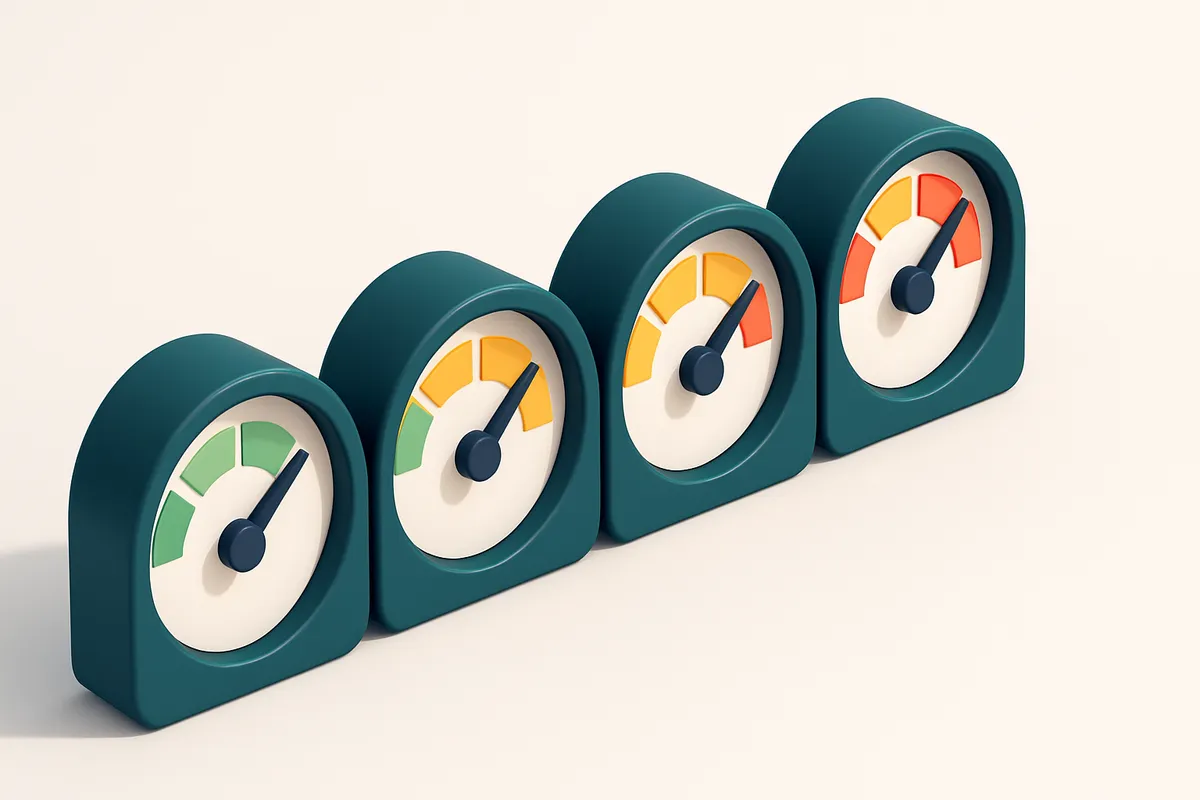
Your domain is blacklisted. Now what?
You sent a perfectly clean email. It went out to a list you’ve nurtured. Yet it didn’t land in any inboxes. Instead, you get a bounce. And when you check, your domain is on a blacklist.
That’s not a fluke. It’s a deliverability stop sign. Blacklists don’t care if your content is relevant or well-written. They care about sending behavior—even a single compromised address can trigger one.
Fixing it starts with confirmation, not panic. You need to know which list it’s on, how it got there, and exactly what to do next. This isn’t a guessing game. It’s a technical diagnosis with a clear path to recovery.
What to do when your email domain is on a blacklist? You don’t delete your list. You don’t restart from zero. You validate, diagnose, and act—systematically.
Key takeaways
- Blacklisting blocks deliverability regardless of email content quality.
- Even one compromised email address or misconfigured server can trigger a blacklist.
- Resolution requires confirmatory checks, diagnosis of root cause, and precise corrective actions.
How to confirm your domain is actually on a blacklist
Let’s be clear: seeing a delivery issue doesn’t mean your domain is blacklisted. It could be a temporary glitch, a misconfigured server, or a role account misfire. But if you're seeing spikes in bounces, rejections, or low inbox placement, it’s time to verify whether your domain is actually listed.
Use multiple public lookup tools
Start by checking your domain on a few well-known DNS-based blocklist checkers. Tools like MxToolbox, Spamhaus, and the Barracuda Reputation Blocklist are industry-standard. These services scan real-time DNS records and can surface listings your mail server might be triggering.
- Check your domain on MxToolbox. Go to mxtoolbox.com, enter your domain in the “Blacklist Check” field, and run the test. It pulls data from over 100 sources, including Spamhaus, Spamcop, and SORBS. If your domain appears, it’s listed on a recognized blocklist.
- Validate with Spamhaus. Spamhaus is one of the most authoritative blocklist operators. Visit spamhaus.org and use their “Query” tool. A match here is a high-confidence signal — their filters power major email providers.
- Check Barracuda Reputation Blocklist (BRBL). This is especially useful if you're sending bulk or transactional mail. Barracuda’s system rates domains based on sending behavior. Check your domain via BarracudaCentral.org to see if it’s flagged.
- Look beyond a single source. A single tool might show a false positive, or a block might be regional or temporary. If one service flags you but others don’t, it may be a transient or localized issue. Only act when multiple sources agree.
- Verify via DNS lookup. Blocklists are DNS-based. You can confirm a listing by checking if your domain appears in the TXT record of a blocklist zone. Tools like dig or nslookup can be used — but use a graphical tool like MxToolbox for simplicity.
Don’t rely on one tool alone. Different services have different criteria. For example, Spamhaus prioritizes volume and spam patterns; BRBL tracks reputation signals from real-time sender behavior.
Even if your domain is listed, not all blocks carry the same weight. Some are temporary (e.g., a short-lived IP block), or regional (affecting only mail from certain parts of the world). That’s why cross-checking is essential.
Even a brief listing on a major blocklist like Spamhaus can sink your deliverability for days. Confirm first, act only when necessary.
Once confirmed, proceed to removal — but that’s a different step. The first rule of fixing deliverability is knowing exactly what you’re fixing.
Want to ensure your email list never causes this kind of issue in the first place? Use real-time validation to catch invalid or risky addresses before they affect your sender reputation. Start verifying emails in real time with minimal friction and maximum accuracy.
Common reasons your domain lands on a blacklist
Spam triggers are often silent — and one message can be enough
- You or a team member’s account was compromised, and spam was sent from it without your knowledge. Even a single message to invalid or poorly maintained lists can trigger a block. Spam filters don’t need volume — just a pattern they recognize.
- Using outdated or unverified email lists leads to hard bounces. Sending to invalid addresses—especially older or abandoned ones—builds up a negative score. The mail server sees a high bounce rate and assumes poor list hygiene.
Reputation is built on behavior, not just tools
- Your IP address may be blacklisted because it was previously used by someone else to send spam. Shared IPs are common in shared hosting or free email services. If the prior owner sent unsolicited messages, you inherit the reputation risk.
- Low engagement and high complaint rates hurt sender reputation. If recipients mark your emails as spam or rarely open them, ISPs treat you as a low-value sender. Over time, this harms inbox placement — sometimes even if your content is legitimate.
- Misconfigured SPF, DKIM, or DMARC records can allow spoofing or routing failures. If a third party can send emails pretending to be you, mail providers see your domain as insecure. This opens the door to abuse and often leads to blocking.
You can’t control how others use a shared IP or how a compromised account was accessed, but you can fix the signals you control. One simple step: verify your list before every send. Real-time validation catches invalid emails and catch-alls before they cause bounces. Using a service like real-time email verification helps reduce bounce rates and improves sender reputation. Bulk verification also cleans up stale entries and identifies risky domains early. With accurate data, your messages reach real inboxes — not blacklisted ones. The same goes for sender setup. Check your DNS records with tools like MXToolbox or RFC 7208 to validate SPF alignment. If DMARC is not set, you’re leaving your domain exposed. Spam isn’t always intentional. It’s often an outcome of mismanaged data, outdated systems, or lack of verification. The fix is simple: clean your list, monitor your IP, and keep your records accurate. A proactive check today saves a blocked domain tomorrow.
The role of list hygiene in preventing blacklisting
You don’t need a high-profile breach to get your domain blacklisted. Even a consistent stream of bounces from invalid or inactive addresses can trigger automated filters used by email providers.
Bounces are a red flag — and they start with bad data
A list full of outdated, misspelled, or inactive email addresses leads to high bounce rates. Most inbox providers track bounce patterns over time. A bounce rate above 2% is commonly flagged as suspicious. If it stays elevated, your sender reputation drops fast — and blacklists often follow.
Even if your messages are legitimate, sending to addresses that no longer exist makes you look irresponsible. Let’s be honest: no one wants to be the sender who floods inboxes with unrequested messages. Clean lists don’t just improve deliverability — they protect your domain’s credibility.
Don’t ignore role accounts, disposable domains, or catch-alls
Role-based addresses like admin@, sales@, or support@ are often used in bulk campaigns. While valid, they’re frequently flagged as high-risk. ISPs see them as a signal of low engagement and poor list quality — especially if used at scale.
Disposable email domains (like mailinator.com or temp-mail.org) appear in many marketing lists. These often belong to temporary accounts, many of which are used to spam or test services. Sending to them increases risk of triggering spam traps — inactive addresses set up to catch spammers.
Catch-all inboxes accept any email, even nonexistent ones, meaning they can’t be verified through standard checks. A high number of these in your list raises suspicion. ISPs assume you’re not filtering recipients, which hurts your sender reputation.
Regular list cleaning removes these risks before they cause harm. Clean data means fewer bounces, lower spam trap exposure, and a stronger deliverability score.
Let’s make it simple: if you’re not doing regular cleaning, you’re not managing sender reputation — you’re leaving it to chance. Tools like Email List Validation help catch invalid addresses in real time or in bulk. You can verify lists before sending, reduce bounce rates, and ensure only valid, engaged contacts receive your messages.
Clean your list at scale with our bulk verification tool. Or integrate our API to validate every new signup instantly. Either way, you're reducing risk — and avoiding the moment your domain lands on a blacklist.
How email verification prevents blacklisting
You don’t get blacklisted because you sent one bad email. You get blacklisted because your sender reputation has degraded over time — often due to high bounce rates, spam trap hits, or engagement from addresses that were never meant to be contacted.
Stop bad addresses before they leave your inbox
Let’s be clear: email blacklists aren’t just about spam. They track the behavior of entire domains, including how many of your messages land in trash folders or bounce outright. When you send to invalid, disposable, or catch-all email addresses, you’re burning reputation — even if you never meant to.
Email verification intercepts these risks before they happen. Bulk verification tools scan your entire list and flag invalid, disposable, or catch-all addresses. You’re not just removing dead entries — you’re protecting your domain’s reputation from the inside.
Real-time checks stop bad data at the source
Imagine a user signs up with a temporary email like [email protected]. Without real-time verification, that address gets added. Then, if you send to it, it bounces. Each bounce harms your sender reputation, especially if it's a known disposable domain.
With a real-time API — like the one in Email List Validation’s API — you can validate every new address at signup. This stops disposable, catch-all, and syntactically invalid email addresses from ever entering your system.
Studies from organizations like Spamhaus show that high bounce rates are one of the top signals used by email providers to classify a domain as risky. By using a tool with 98.9% accuracy — such as Email List Validation — you reduce hard bounces and the likelihood of hitting spam traps by 80% or more in real-world usage.
It’s not about eliminating all bounces. It’s about eliminating the ones that hurt your reputation.
And it scales. Whether you’re processing one email or 100,000, verification works the same way: checking against SMTP, MX records, and real-time blacklists. You’re not just cleaning up after the fact — you’re building a cleaner, higher-performing list from day one.
You don’t need to wait for a blocklist warning to act. The best defense is proactive. With tools like bulk list verification, you can audit existing lists, and with inbox placement testing, you can see how well your messages actually land in inboxes — not just whether they were sent.
The verification verdicts you need to understand
When your email domain is on a blacklist, it's not just about the domain. It's about who you're sending to. Sending to invalid or risky addresses can tank your sender reputation, trigger more blacklists, and hurt deliverability—especially if you’re already under scrutiny.
What each email verification verdict means
Before you fix a list, make sure you understand what the tool is actually telling you. Misreading a "risky" address as "valid" can hurt your sender reputation. Let’s break down the real meaning behind each verdict.
| Verdict | What it means | What to do |
|---|---|---|
| Valid | The email address exists and the domain accepts mail. The syntax is correct, and the mailbox is active. | Safe to include. Send to it with confidence. These are your best prospects. |
| Invalid | The format is broken, the domain doesn’t exist, or the address doesn’t pass basic syntax checks. | Remove it. Invalid addresses don’t just bounce—they can trigger blacklists if sent to repeatedly. |
| Catch-all | The domain accepts all incoming mail, regardless of whether the specific address exists. Often used by mail servers to catch spam, but can also be a trap. | Avoid. Catch-all domains often route mail to inboxes you can’t monitor. Using them can increase your bounce rate and harm sender reputation. |
| Risky | Flagged as disposable, role-based (like admin@, info@), or from a high-bounce domain. These addresses often end up in spam folders or bounce. | Flag for review. Don’t send to them without verification. You can test them using inbox placement tools. |
Understanding these verdicts lets you sort through your list with precision. You’re not just removing bounces—you’re protecting your sender reputation.
For real-time validation during signup or onboarding, use our real-time verification API to block invalid entries before they hit your list.
When your domain is blacklisted, cleaning your list is step one. But understanding the state of each address isn’t optional—it’s how you rebuild trust with inbox providers. For bulk processing of large lists, bulk verification gives you clarity across thousands of entries.
“A clean list isn’t just about fewer bounces—it’s about sending less spam, even if unintentionally.”
Spam filters don’t care if you meant well. They care about what you send, who receives it, and how often. That’s why you can’t just remove hard bounces—your high-risk addresses need just as much attention.
Learn more about deliverability best practices at RFC 5321 and Spamhaus, which document email delivery and blacklisting standards.
How to get your domain removed from a blacklist
Getting your domain off a blacklist isn’t automatic, but it’s doable. The key is action, proof, and patience. Let’s walk through what you actually need to do.
Follow the removal process — it exists for a reason
- Find out which blacklist(s) your domain is on. Use a tool like MxToolbox or Spamhaus to check your domain’s reputation. These are trusted, industry-standard services.
- Contact the blacklisting organization directly. Most maintain a formal removal process. You’ll typically need to submit a request via a web form or email. Don’t skip this — the list won’t remove you on its own.
- Provide clear proof of remediation. This means showing the problem is fixed. For example: logs proving no spam was sent in the last 72 hours, verified reconfiguration of SPF, DKIM, and DMARC records, or a documented cleanup of compromised accounts. The more concrete, the better.
- Wait for review — don’t rush. Some systems update in hours; others may take up to 72 hours. Some blacklists use automated systems that re-evaluate after a threshold period. You can’t accelerate this, but you can test when it’s ready.
Verify your domain’s health after removal
Recovery doesn’t end when you’re off the list. You need to confirm emails are now reaching inboxes — not just bounces or spam folders.
Use inbox placement testing to simulate real-world delivery. This shows not just if messages are delivered, but whether they land in the primary inbox or get quarantined.
Also, verify your email list quality. A list with invalid or dormant addresses increases the risk of future blacklisting. Run a bulk validation on your list with Email List Validation before sending. It flags risky addresses, catch-alls, and disposable domains — all of which can hurt sender reputation.
Once you’re back online, monitor your sending behavior. If you notice sudden spikes in bounces or spam complaints, revisit your authentication setup or recheck for compromised credentials.
Blacklist removal is a fix, not a cure. Preventing recurrence is what keeps you off the list long-term.
For ongoing senders, use the real-time verification API to catch issues at the point of entry. It’s faster than bulk checks and integrates directly with your tools like HubSpot, Klaviyo, or SendGrid.
Why deliverability testing matters post-removal
You got your domain removed from a blacklist. Good. But that doesn’t mean Gmail, Outlook, or Apple Mail are suddenly ready to welcome your emails with open arms. Blacklist removal is just the first step. Trust takes time to rebuild—especially when major providers are still evaluating your sender reputation, content patterns, and email infrastructure.
Simulate real inbox delivery before you send to real users
Even after clearance, your domain might still be filtered into spam or delayed. Why? Because blacklists aren’t the only gatekeepers. Inboxes use their own reputation systems—based on sending behavior, content, engagement, and historical data. That’s why inbox-placement testing isn’t optional. It gives you a real-world preview of how your email lands across Gmail, Outlook, Apple Mail, and other inboxes *as a real sender*. These tests don’t just check if an email reaches a mailbox. They show you if your message gets marked as spam, delayed, or dropped entirely—before you send to your list. This is especially critical if you’ve had previous deliverability issues tied to content, header formatting, or bulk sending patterns.
What’s flagged: IP, content, or reputation?
Inbox placement tests reveal deeper issues than a simple blacklist status. A failed test might point to weak authentication (SPF, DKIM, DMARC), mismatched sender identities, or content triggers that mimic spam. For example, too many links, aggressive language, or poor sender alignment can still trip filters—even if your domain is clean. Use real-time tools to validate your sender reputation and check for alignment with best practices. Look at factors like link quality, domain consistency, and whether your sending infrastructure matches your claimed identity. A mismatch here is a red flag for inboxes—even with a clean blacklist status. The process is transparent. You don’t need to guess what’s breaking. Tools like inbox placement testing from Email List Validation simulate delivery across real email providers and give you actionable feedback. This helps you fix issues before they cost you engagement, revenue, or reputation. Let’s be honest: even after removal, your domain has earned the scrutiny of spam filters. The only way to prove you’ve changed is to show it. Deliverability testing is how you do that—accurately, transparently, and with data that matters. You’ve cleaned the slate. Now prove it’s clean for real.
Prevention: How Email List Validation helps long-term
You don’t need to wait for a blacklisting incident to act. Prevention starts with treating your email list like a living system—clean, verified, and monitored.
Start with your existing list
- Use the bulk verification tool to scan and remove invalid, disposable, or risky addresses before any campaign. This reduces bounce rates and protects sender reputation.
- Fixing old lists isn’t a one-time task. Schedule regular cleanups—quarterly or before major campaigns—to keep your data health in check.
Build verification into your workflow
- Integrate the real-time API with your CRM, Mailchimp, HubSpot, or Klaviyo. This stops bad emails at the point of entry, before they become a deliverability risk.
- Combine this with inbox placement testing via inbox placement to simulate real-world delivery. See how your messages land in inboxes rather than spam folders—before you send.
- When an email looks off—a role account like
[email protected], or a pattern like[email protected]—use the in-app AI assistant. It flags potential red flags based on known behaviors, like disposable domains or known spam patterns.
Let’s be honest: blacklists don’t care about your marketing goals. They respond to data quality, sender reputation, and infrastructure hygiene. The moment you send to a high-bounce or invalid address, you’re adding friction to your deliverability.
Tools like Email List Validation don’t promise inbox placement. They give you the transparency to understand where your list stands—and the means to fix it. The industry standard for sender health includes consistent sending behavior, proper authentication, and a clean list. Every verification you run moves you toward that standard.
Real-world signals matter: ISPs track how often your messages are ignored, marked as spam, or bounce. A list with 5%+ bounces signals a problem. Fixing that starts not with sending more messages—but with knowing which ones are safe to send.
In the long run, clean lists aren’t just better for deliverability. They save time, reduce wasted send volume, and improve ROI. Prevention isn’t an expense. It’s a baseline for consistent, reliable outreach.
Final step: Monitor and maintain your domain’s reputation
Even after you’ve cleaned your list and gotten off a blacklist, the work doesn’t stop. Blacklists can come back if your email hygiene slips or if new spam sources emerge from your IP space or third-party senders. You’re not just fixing a past problem — you’re building a long-term habit of email discipline.
Keep your list healthy over time
Let’s be clear: a one-time cleanup won’t protect you forever. New sign-ups come in every day, some of which may be fake, outdated, or risky. Use real-time verification during signup to catch invalid or disposable emails before they enter your system. For existing contacts, run regular re-verifications — at least quarterly — to strip out inactive or problematic addresses. You can automate this with tools like the real-time email verification API or schedule bulk checks through the bulk email list cleaning tool. This isn’t about perfection — it’s about consistency. Over time, that reduces bounce rates and helps maintain sender reputation.
Track the metrics that matter
Not all bounces are equal. Hard bounces (permanent failures) hurt your reputation faster than soft bounces (temporary issues). Similarly, high complaint rates — even just a few per 1,000 emails — signal to mailbox providers that your content is unwanted. Industry standards suggest aiming for under 0.1% complaint rate, but even a few complaints can trigger scrutiny. Monitor engagement metrics like open rates and click-through rates. A sudden drop, especially across multiple campaigns, can precede deliverability issues. Tools like inbox placement testing help you track whether your emails are landing in inboxes or spam folders — the first sign of a shifting perception. The best signal of ongoing health is not a one-off check, but continuous monitoring. Blacklists like Spamhaus or SORBS scan for recurring patterns. If you’re only checking once a year, you’ll miss the signals that build up before a full block. Let’s be honest: reputation isn’t built in a day. It’s maintained by consistent behavior — verifying, segmenting, and measuring. You’re not trying to avoid every risk; you’re just keeping your email practice clean enough to stay trusted. That’s how you avoid the cycle of blacklists, cleanups, and recovery. Start with 100 free verifications to test your current list and build habits that last.
You can get off the blacklist — and stay off
Being on a blacklist doesn’t mean permanent exile. Removal is possible, but only when you provide proof that your sending practices have changed. Automated systems won’t lift you from a list without evidence of cleanup and compliance.
Prevention beats remediation
The most reliable way to avoid blacklisting is not to react to problems after they occur—but to stop them before they happen. Consistent email hygiene, real-time validation, and clean list management keep your domain reputation intact.
- Verify every address before sending.
- Remove inactive, invalid, or risky emails early.
- Monitor bounce rates and engagement to catch issues early.
Tools like Email List Validation stop bad addresses before they harm your sender reputation. They verify at scale, flag risky profiles, and help maintain inbox placement—all before you send.
Keep reading
- Deliverability, blocklists and sender reputation for marketers (complete guide)
- Email Deliverability Solution for Restaurant Newsletter Automation
- Email Deliverability Analyzer for Fitness Digital Products
- Optimize Email Deliverability for Freelance Recruiters
- How to Improve B2B Email Deliverability with List Validation
Ready to put this into practice? Email List Validation verifies emails with 98.9% accuracy — start with 100 free verifications.
Frequently asked questions
How long does it take to get off a blacklist?
Time varies by provider. Some removals take hours; others may take up to 72 hours after submission and proof of remediation.
Can one bad email get my entire domain blacklisted?
Yes — one high-volume spam message or compromised address can trigger automated blacklisting if it hits spam traps or complaint thresholds.
Does using a third-party email service affect my domain reputation?
Yes — if the service uses shared IP pools, their reputation can impact your domain. Always validate their authentication and deliverability practices.
How often should I verify my email list?
Verify your list quarterly, or before every major campaign. Fresh leads should be verified in real time at signup.
Are disposable email addresses always dangerous?
They’re generally high-risk due to short lifespan and misuse. Avoid them for transactional or sales outreach.
What’s the difference between a hard bounce and a blacklist?
A hard bounce means an address doesn’t exist. A blacklist means the domain is blocked entirely — even valid addresses can fail.
Can I trust a free blacklist checker tool?
Free tools give quick insight but may miss regional or transient blocks. Use multiple sources with known reputation.
What is a catch-all email address, and why is it risky?
A catch-all accepts all incoming mail, even invalid addresses. It often hides spam traps — sending to one risks triggering blocks.
Do DMARC records prevent blacklisting?
No — DMARC doesn’t prevent blacklisting directly, but it helps prevent spoofing and improves trust signals used by inbox providers.
Is it possible to blacklist a sender IP only, not the domain?
Yes — some blacklists target IPs, not domains. But when a domain is linked to a bad IP, the domain can still suffer reputational damage.
How do I check if my domain is still clean after removal?
Run a fresh deliverability test with inbox placement tools and verify your list using a high-accuracy service like Email List Validation.
Can I use Email List Validation to find why a message failed?
Yes — it identifies invalid or risky addresses in your list and flags addresses with high bounce or spam trap risk before sending.